
Hurricane-Proofing Your Home: What to Fix Before the Next Storm
The repairs that actually keep a Florida roof on — ranked by how much they matter. What to harden before the season, in the order that protects you most.
Last fact-checked: August 9, 2026
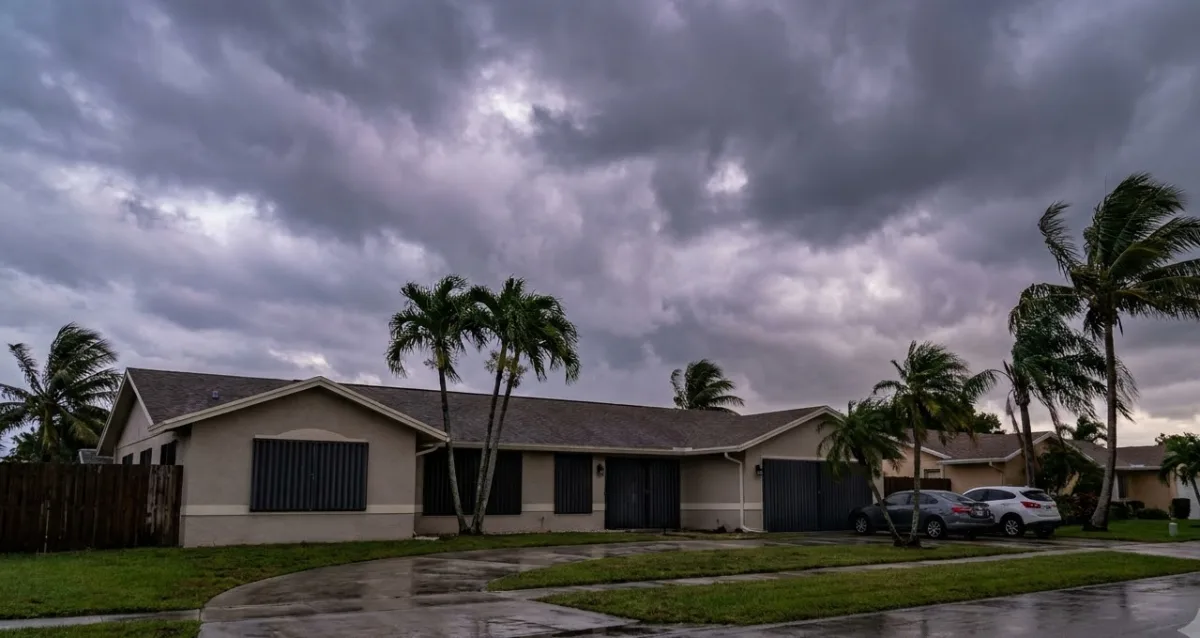
A Florida home fails in a hurricane the same way almost every time: wind finds one opening — a lifted shingle, a broken window, a buckled garage door — pressurizes the inside, and pushes the roof off from underneath. Hardening your home is really about closing those openings, in order of how much each one matters. Do the top three before the season and you have handled most of the risk. This is the list; hire it out early, because the good crews are booked by June.
- 1. The roof — your single biggest point of failure. Have a licensed roofer check for loose or lifted shingles, exposed nails, and worn seals around vents and flashing. If the roof is near the end of its life, replacing it before the season beats tarping it after. Ask whether the roof deck can be sealed (a secondary water barrier) — it's one of the highest-value upgrades in Florida.
- 2. Windows and doors — keep the envelope sealed. Impact-rated windows are the gold standard; accordion or panel shutters are the affordable version. Whatever you choose, cover every opening. A single broken window lets the storm pressurize the house — and a pressurized house is how roofs come off. Pre-cut plywood is a last resort, not a plan.
- 3. The garage door — the weak spot people forget. It's the largest opening in most homes and often the first to fail. Add a wind-rated bracing kit, or replace it with a hurricane-rated door. If the garage goes, the attic and roof are next.
- 4. Soffits, gable ends, and vents. Wind-driven rain gets into the attic through failed soffits far more often than through the roof covering itself. Have them secured and sealed while the roofer is up there.
- 5. Trees and loose objects. Trim dead or overhanging limbs and remove weak trees near the house before the season — an arborist in spring is cheap; an emergency removal after a storm is not. Anything in the yard that can fly is a projectile aimed at your windows.
- 6. Gutters and drainage. Clear gutters and downspouts and make sure water runs away from the foundation. It won't stop wind, but it's the cheapest way to cut the flooding that follows the storm.
Why the order matters
Roof, openings, garage. Those three account for the overwhelming majority of catastrophic home
losses in a hurricane, and they protect each other — a sealed envelope keeps the roof down, and a
roof that stays on keeps everything under it dry. Spend here first, before generators and cosmetic fixes.
Don't wait for the cone
Once a storm is named and pointed at Florida, impact windows are back-ordered, shutter installers are
booked, and roofers are triaging emergencies — not doing upgrades. Hardening is off-season work.
And when the storm has passed, read After the Storm: The First 48 Hours
before you sign anything, and vet any contractor with the 6-point checklist.