
Permit or No Permit? Florida's New Under-$7,500 Rule, Explained
Florida's 2026 law removed permit requirements for many home repairs and small remodels under $7,500. Here's what that actually changes — and what you just lost.
Last fact-checked: July 12, 2026
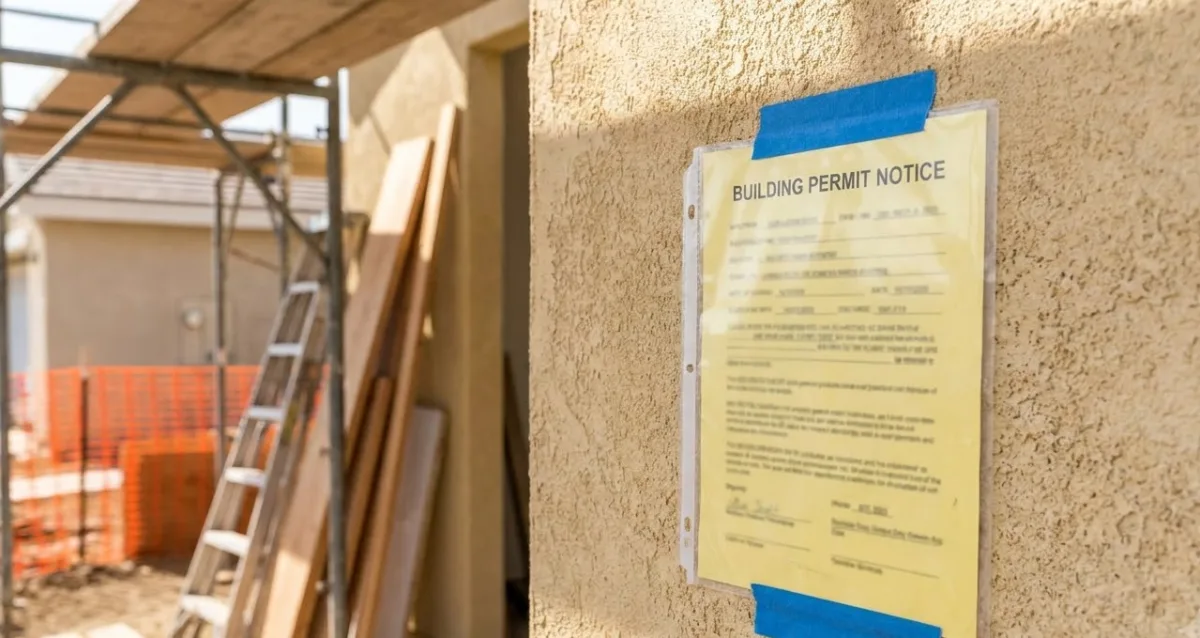
In 2026, Florida enacted a law removing local permit requirements for many home repairs and small remodeling jobs under $7,500. Contractors love it — less paperwork, faster starts, lower cost. But as one Florida contractor put it in a discussion that drew over 1,500 upvotes from homeowners: "homeowners need to know what they just lost."
What changed
For qualifying repairs and small remodels with a total cost under $7,500, you no longer need to obtain a local building permit before starting work. The exact scope of "qualifying" work is defined by the statute and your local building department — structural, electrical, plumbing, and gas work generally remain permitted regardless of price, and hurricane-zone requirements (roof attachment, impact openings) still apply.
What you just lost (and how to replace it)
A permit was never just paperwork. It bought you a third-party inspection: a building official with no financial stake in the job confirming the work meets code before walls close up. Without it:
- No independent check that the work was done right — you're relying entirely on the contractor's own standards.
- Insurance friction later: unpermitted work that causes damage (a leak, a fire) can complicate claims, and undocumented work can surface during a sale.
- A magnet for unlicensed operators: the permit process was one of the few places an unlicensed contractor got caught. Under $7,500, that filter is gone — vetting is now entirely on you.
How to protect yourself on no-permit jobs
- Vet harder, not lighter — run the full 6-point checklist. The license check matters more now, not less.
- Ask for photos of the work at each stage, especially anything that gets covered up.
- Consider hiring a private inspector for jobs near the threshold — a few hundred dollars buys back the independent check the permit used to provide.
- Keep every document: estimate, contract, receipts, photos. If you sell the house, you'll want proof the work was done professionally.